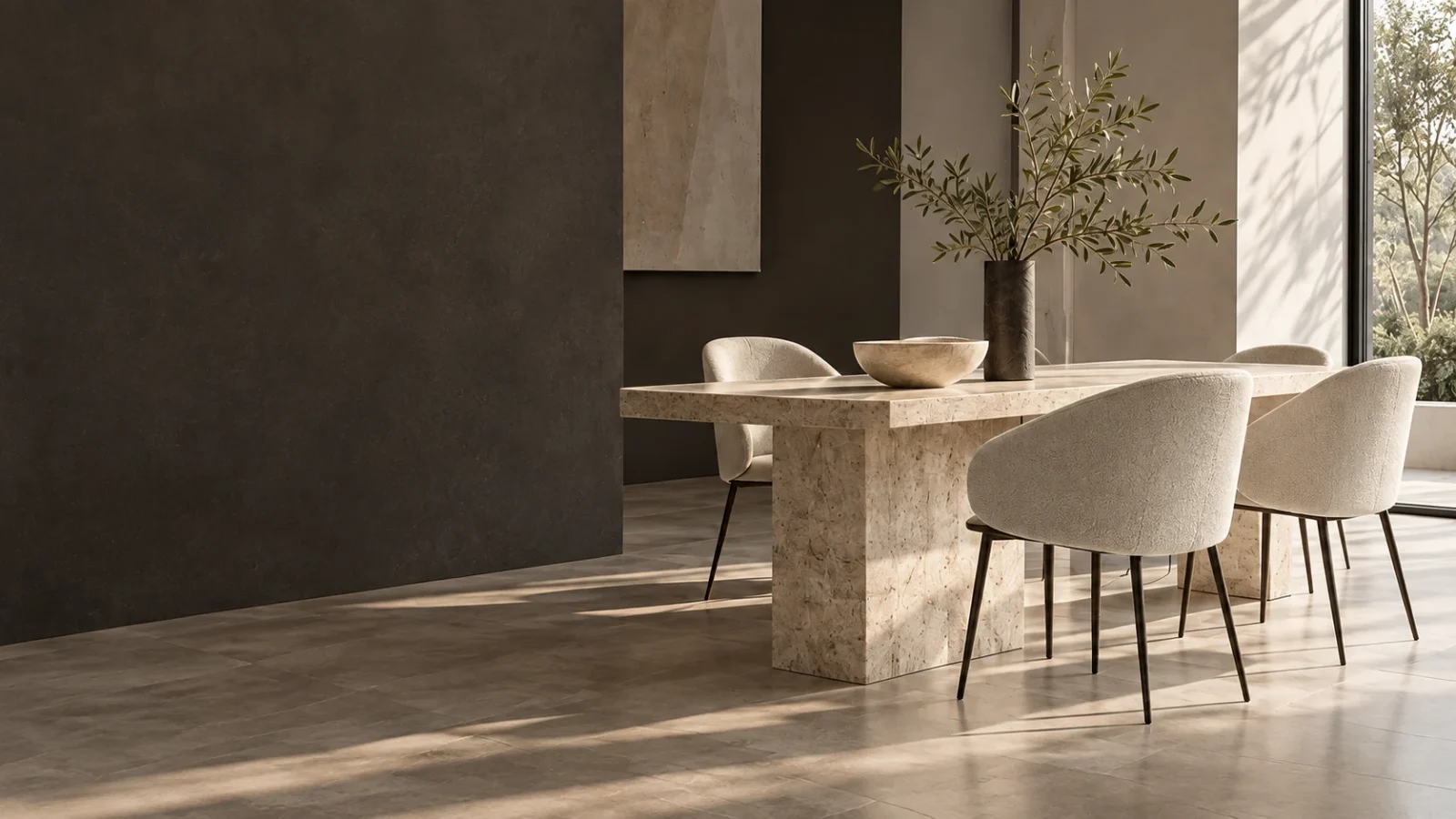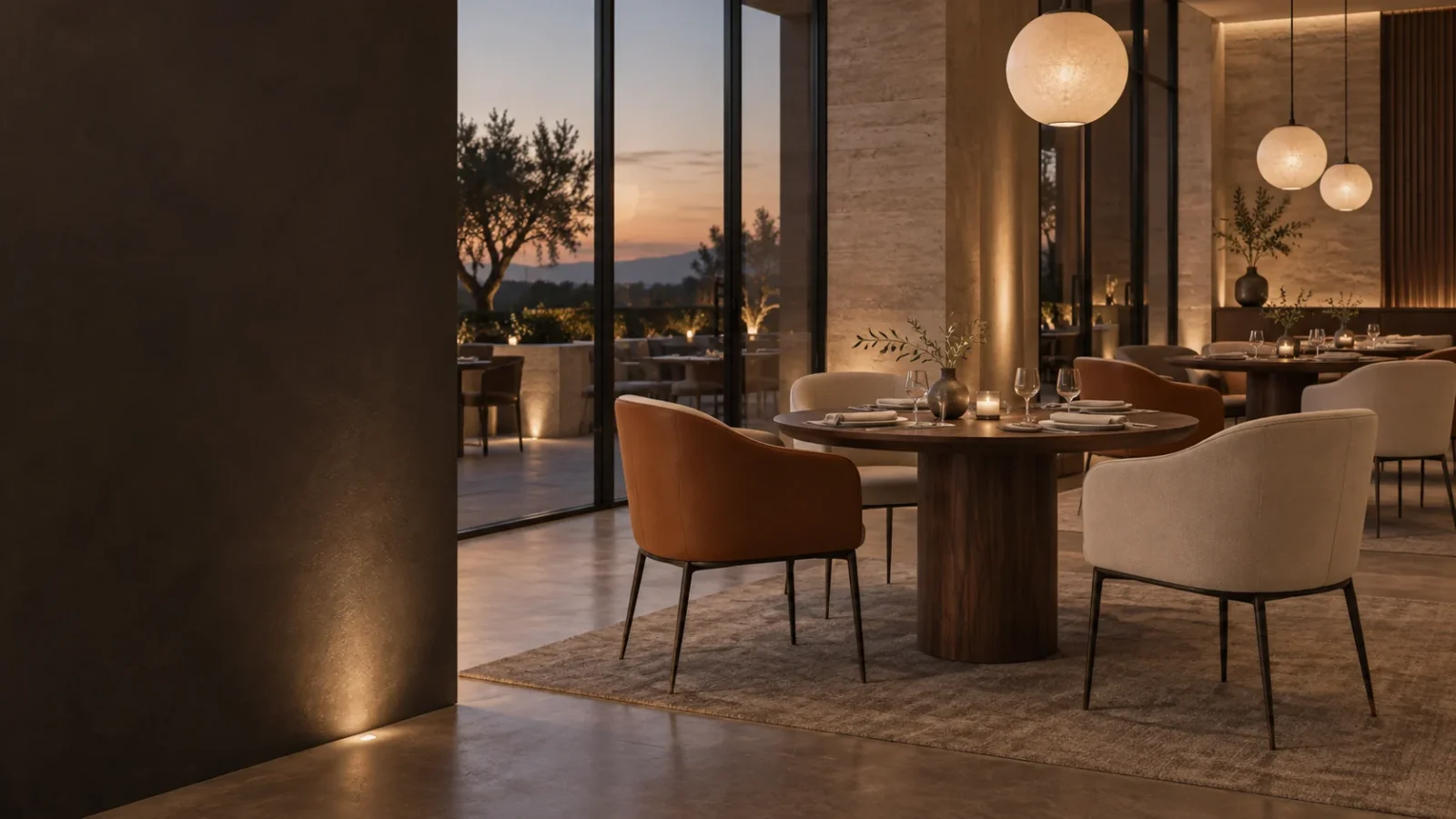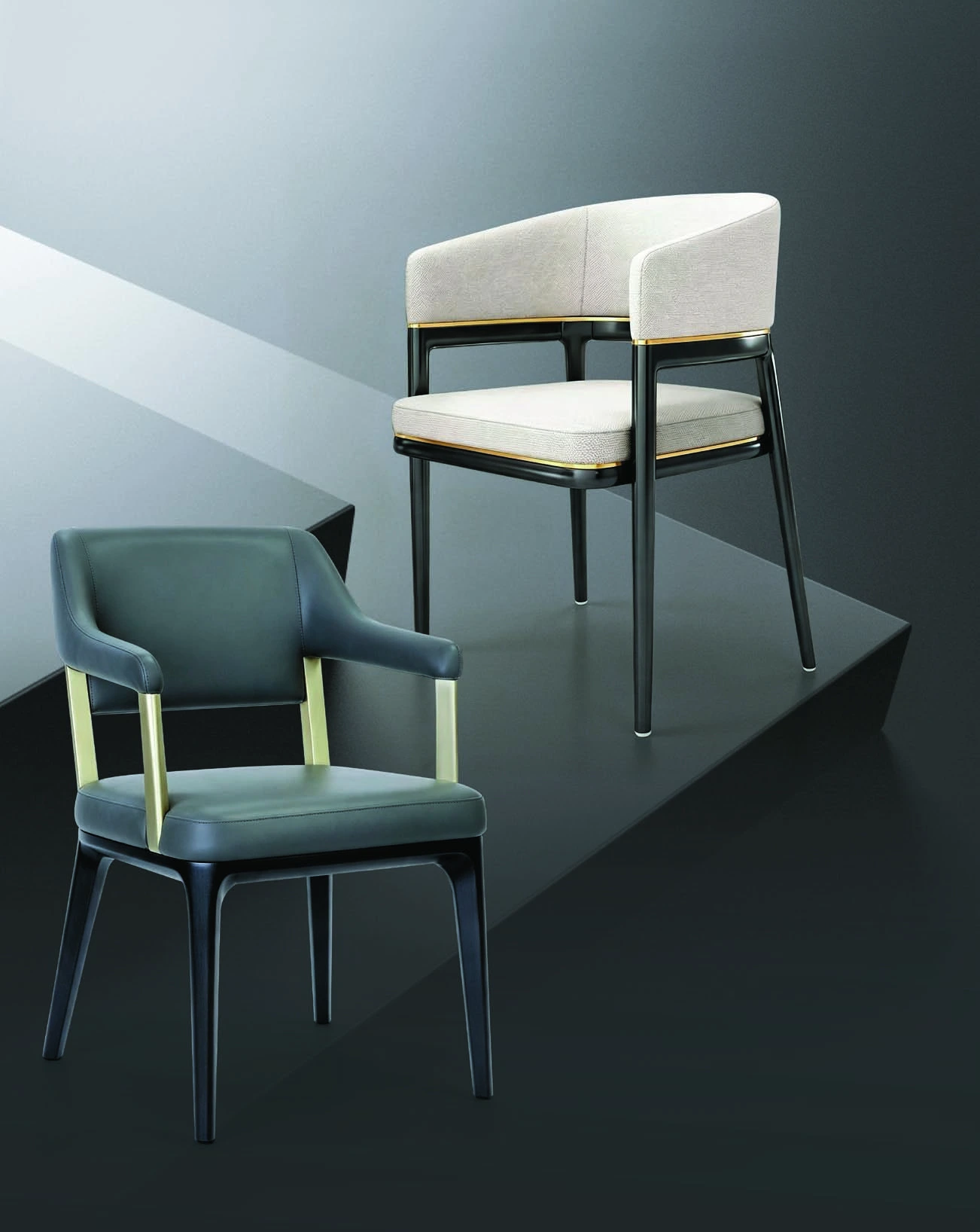
A dining chair is often selected for its silhouette, but the material specification determines much of the experience that follows. Before comparing finishes, consider who will use the chair, how it will be cleaned and what your market expects. The most useful shortlist balances appearance with practical requirements.
Begin with the frame
Solid wood brings natural variation in grain and tone. Two chairs finished to the same color can still look slightly different, so review a physical finish sample and agree an acceptable range. Ask which wood species is specified for the model and whether different components use different materials. A broad description such as “wood chair” is rarely enough for a purchase specification.
Metal frames offer a different visual language, from slender profiles to sculptural bases. Confirm the actual metal and finish rather than relying on a photograph. Carbon steel, stainless steel and aluminum alloy are distinct specifications. Finish appearance, care requirements and suitability for the intended environment should be discussed for the selected model.
Choose upholstery around use
Fabric can add texture and visual softness. When reviewing swatches, compare the weave, feel and color under the lighting likely to be used in the room. Ask for the supplier’s care instructions and the technical information available for the exact fabric. Performance should be assessed from relevant evidence, not from a generic material name.
Leather-look materials include different constructions and surface finishes. Terms such as PU, microfiber leather and faux leather should be clarified in the specification. Ask about the selected covering, backing and recommended cleaning method. Avoid assuming that visually similar materials will perform in the same way.
Think about the whole chair
The frame and covering are only part of the decision. Seat firmness, edge shape, back support, glides and the relationship between upholstery and frame all affect daily use. A photograph cannot tell you how a chair feels after a meal, or whether the arm height fits under your intended table.
Request a sample when these details matter to the order. Check overall dimensions and seating measurements separately, and ask the supplier to identify the measurement order. For upholstered products, agree how dimensional tolerances will be handled before production.
Create a clear comparison sheet
- Record the model, frame material and exact upholstery reference.
- Attach the agreed finish swatches and sample photographs.
- Confirm dimensions, intended use and any destination-market requirements.
- Include care instructions, packaging expectations and inspection points.
Keep the approved references together so everyone is reviewing the same version. If a material changes during development, record the change before confirming the order.
Build your shortlist
Yinghuang’s collection includes solid wood and metal frame seating with a range of upholstered finishes. Available materials vary by model. Explore the collection, then send us your preferred models and material requirements to discuss a suitable specification.